
A new study by neuroscientists has discovered a “sweet spot” that influences the sense of thrill drivers get when behind the wheel.
The research, commissioned by Castrol and conducted by neuroscience company Brainbox, reveals that driving thrill comes from the convergence of three factors in an elevated state: visceral (intense state of mental and physical stimulation), intellectual (how engaged the mind is on the given task) and emotional (identifying the balance of excitement versus fear).
If any of these factors exceed a level that’s manageable then the driver becomes overwhelmed and thrill turns to fear. Surprisingly speed isn’t necessarily a key factor in driving thrill, say the scientists. “Beyond any other factor, a sense of controlled immersion is essential for creating the thrill of driving. Notably, while speed is one of multiple contributory factors that heighten the sense of thrill, it is certainly not a primary determinant.”
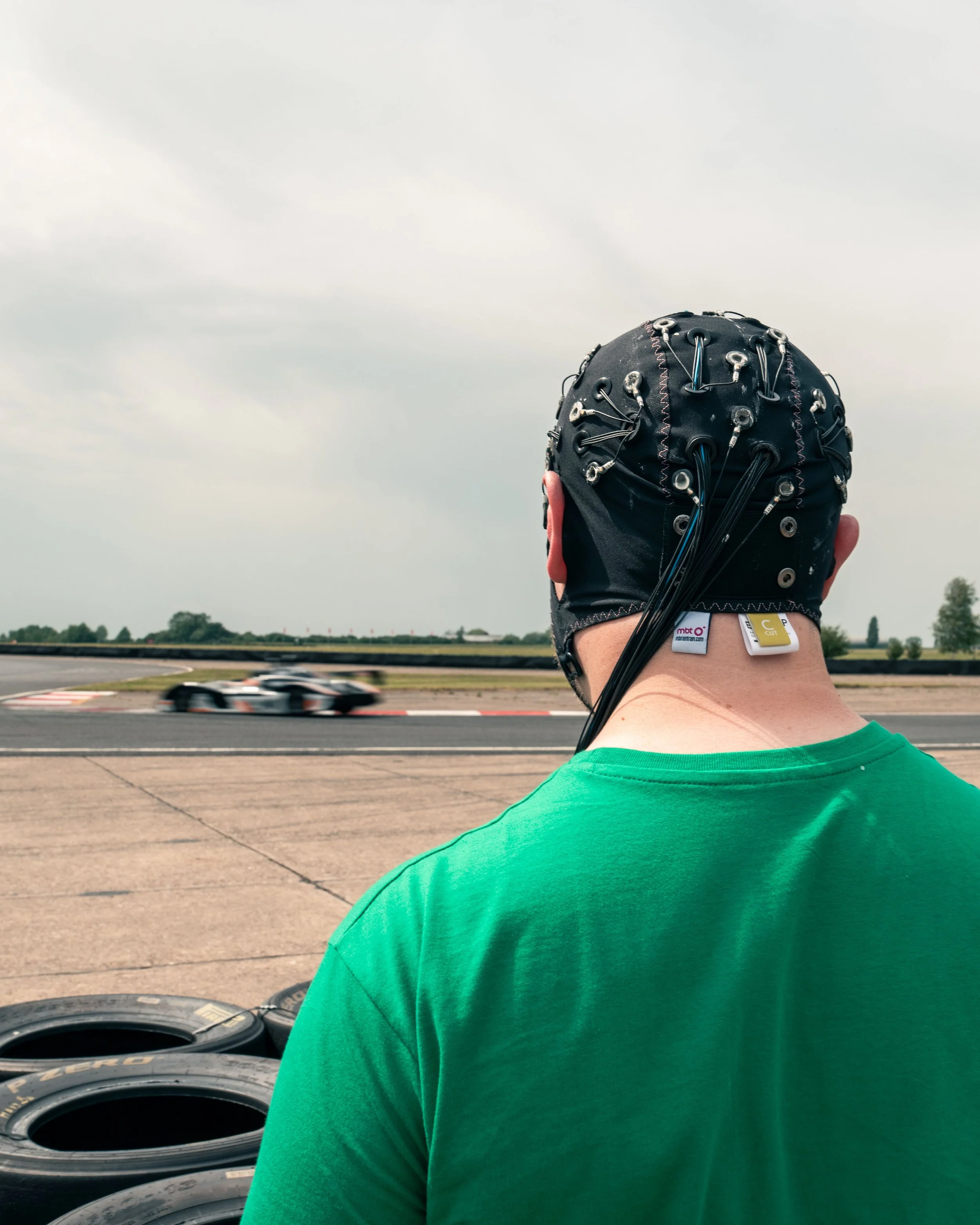
To discover just what makes driving thrilling the boffins measured, brain waves, heart rate, skin response and eye tracking, as a group of test subjects took to the wheel at PalmerSport in Bedfordshire. They tackled a range of different cars and disciplines from slow off-roading, to karting, driving a McLaren Artura GT4 and the PalmerSport JPLM open race car. They also rode shotgun with a pro driver.
Although the data revealed that the most “thrilling” experience was driving the McLaren, the passenger ride with a professional racer was actually less thrilling than karting and off-roading, despite the speeds being higher.
“No single measurement defines thrill, rather it is where they are heightened and converge: the individual is experiencing a state of elevated neurophysiological arousal, they perceive that they are fully in control of the vehicle, and they are immersed in the experience both cognitively and emotionally,” says Dan Phillips, Co-founder & Director at Brainbox. “Thrill isn’t about speed, it’s about focus. The data shows real thrill as the moment a driver locks in completely, and it can be seen across the brain, heart and eyes.”
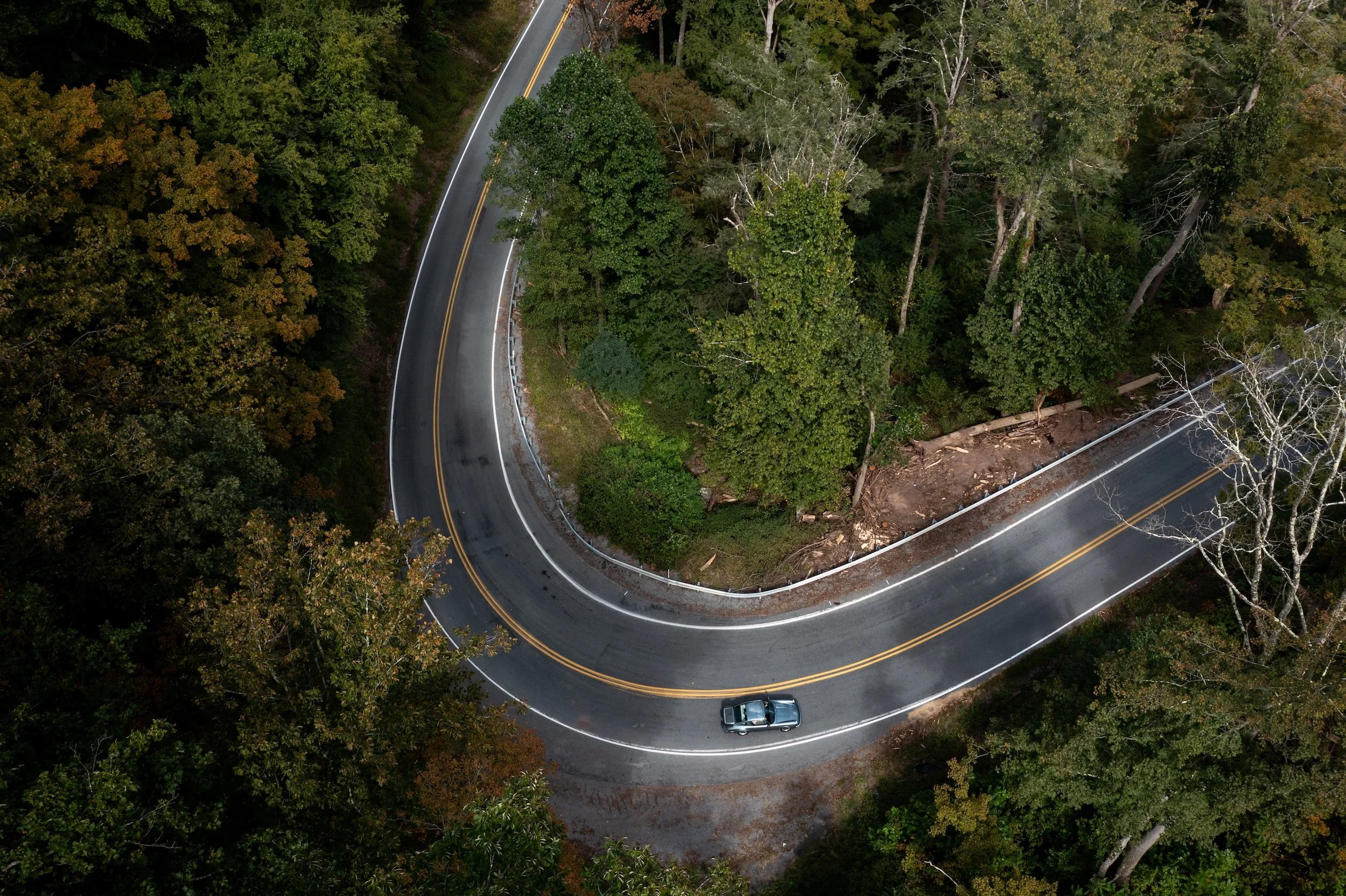
Vincent Panel, Head of Product & Communications for Europe at Castrol says: “We commissioned this study to develop unique insights into what the driver feels when behind the wheel: the thrill, the control, the connection. Crucially, we identified that you don’t need a supercar to experience driving thrill; you can experience almost the same sense of immersive control without high speeds, from a visit to a local karting track or a drive along one of your favourite roads. This study examines how that sense of thrill can be found in every driver.”






British TV presenter Ben Shephard has set a new Guinness World Record by tackling the Three Peaks Challenge in the most efficient manner ever recorded.