
Photo Shutterstock
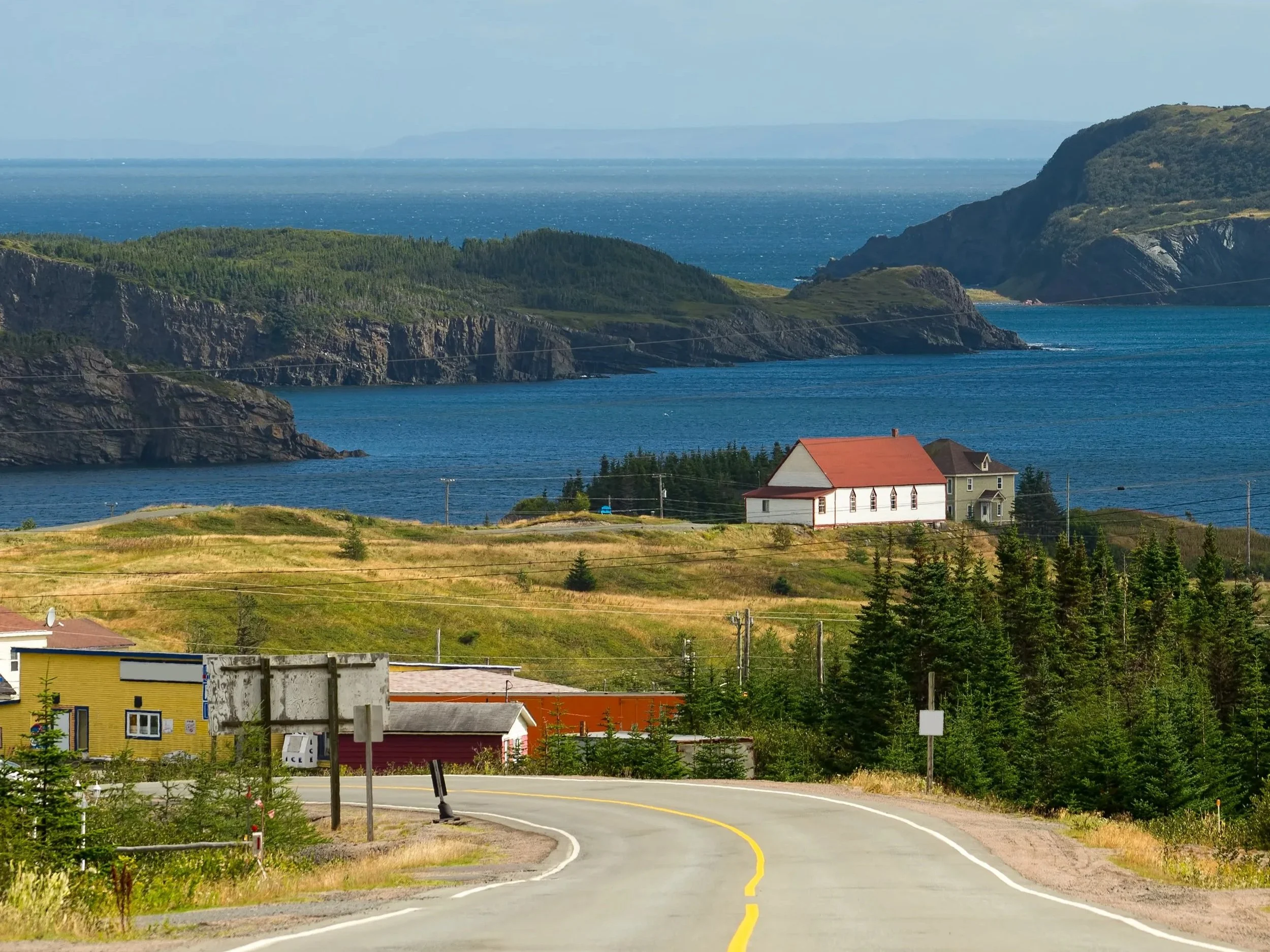
A craggy coastline and unfamiliar accents make this Newfoundland drive feel a world away from Canada.
All it takes is a few words to gather why it’s called the Irish Loop. Listen to the lilting brogue of a Newfoundlander, look out over the wild Atlantic coast and you could be transported to the West Coast of Ireland.
The Loop starts and finishes in St John’s, the capital, which was first settled back in the 1600s. For a small city it has played a huge part in human history, as it was on Signal Hill where Guglielmo Marconi received his first transatlantic wireless communication on December 2nd, 1901.
Follow the coast south on NL10 via Cape Spear, the most easterly point in North America, through rolling farmland and you’ll reach Bay Bulls, where, in the spring and early summer months you can stop to spot whales in amongst the icebergs that float by.
Carry on to La Manche Provincial Park for another pit stop to explore its waterfalls, wildlife and the long-abandoned settlement from which the park gets its name. Along the way are evocative names kuje Burnt Cove and Devil’s Kitchen where it’s easy to picture English pirates such as Peter Easton and Bartholomew Roberts and their crews hiding from the Royal Navy. Later, during the Prohibition era of the 1920s and 1930s smugglers would transport liquor from Newfoundland to their parched neighbours across the border in the USA.
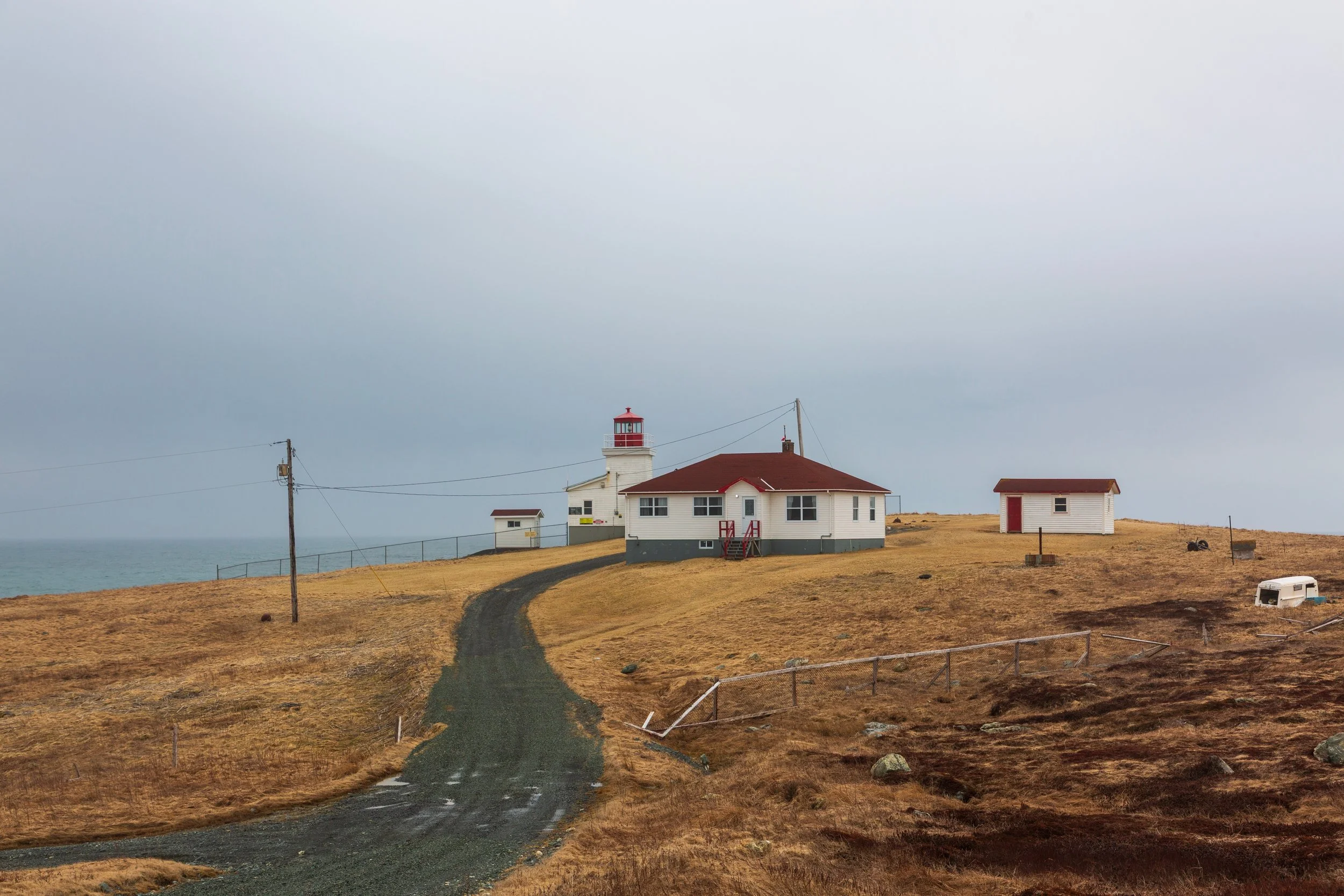
At Ferryland you’ll find a perfect photo opportunity at the lighthouse, where you can also tuck in to one of the most scenic meals you’ll ever eat, with a picnic prepared just for you.
The road follows the coast as best it can, looping west to Trespassey and then north to Riverhead, and on back to St John’s. In total there’s more than 10,000 miles of coastline, from sheltered bays to near-nordic fjords. Colourful boxy homes, known as saltbox houses, scatter the coast, running down to the coves where cod fishermen once docked their boats.These days the main industry is tourism.
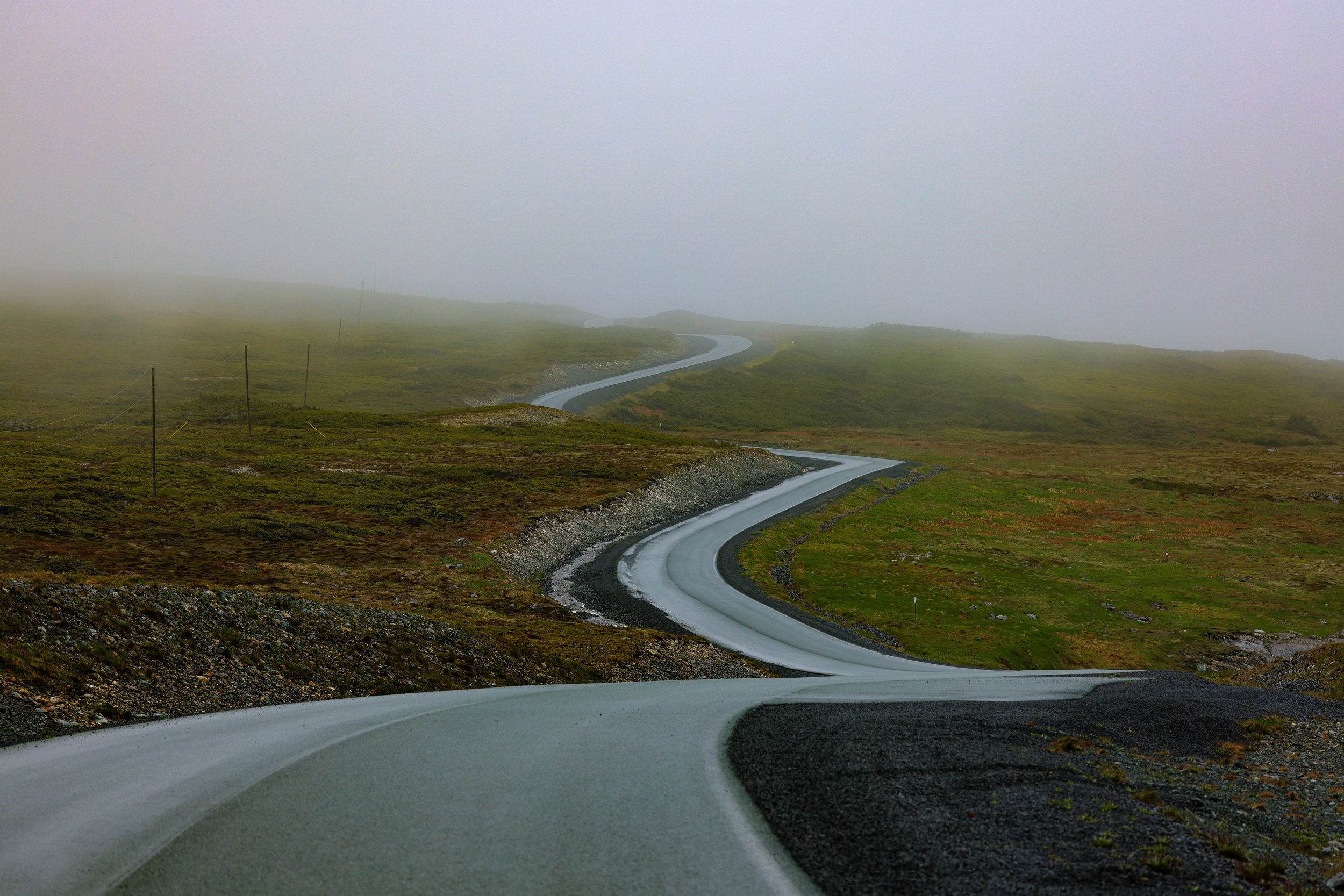
The winters are harsh here on the edge of the Atlantic and road suffers can suffer accordingly, with potholes and ruptures aplenty, putting any car’s suspension to the test. It’s route not to be hurried, partly for comfort, partly so that you can soak it all in.
ROADBOOK
CLASS: Coastal Cruise
NAME: The Irish Loop
ROUTE: St John’S to St John’S
COUNTRY: Canada
Distance: 213 Miles


A craggy coastline and unfamiliar accents make this Newfoundland drive feel a world away from Canada.